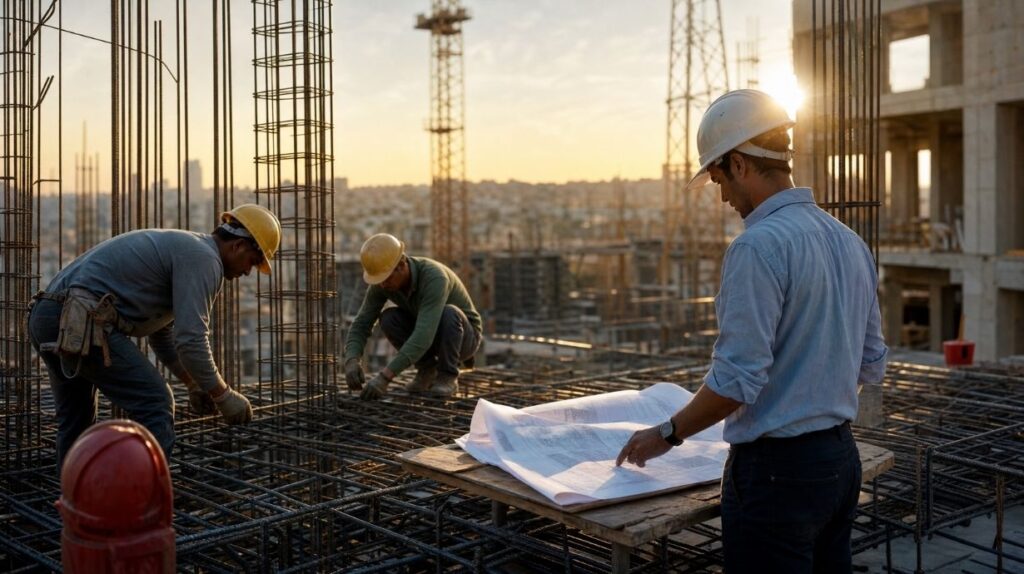


In the construction industry, smooth project execution relies heavily on clear, accurate information. When structural steel moves from the design phase to the shop floor, having highly precise documentation is the best way to ensure that every piece fits perfectly on site.
By focusing on detail and collaborative review early in the process, project teams can easily prevent common fabrication errors, keeping budgets intact and schedules on track.
The Impact of Accuracy on the Shop Floor
Fabricators require specific, unambiguous instructions to cut, drill, and weld steel components. When shop drawings lack clarity or contain discrepancies, it often leads to questions, pauses in production, or even material waste.
Investing in professional structural steel detailing provides the shop floor with everything they need to work confidently. Clear dimensions, accurate weld symbols, and proper material callouts empower fabrication teams to work efficiently, knowing that the documentation fully supports their process.
What Software Helps Reduce Errors in Steel Shop Drawings?
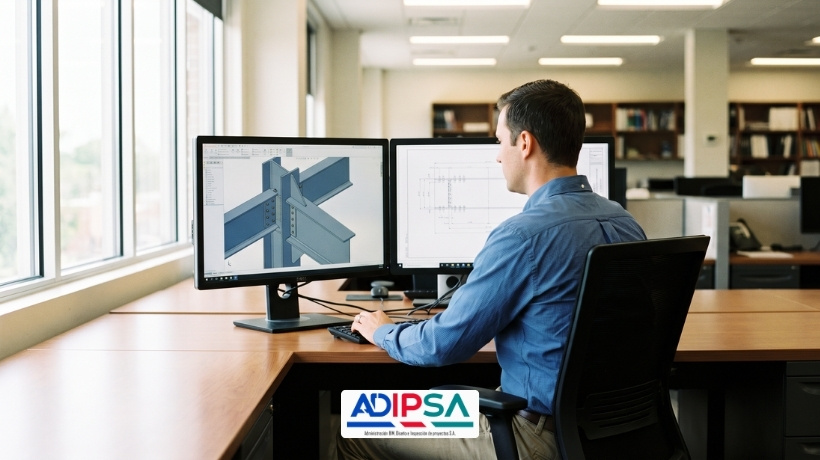
Technology plays a vital role in modern error prevention. Today, the most successful engineering teams rely on advanced 3D modeling software rather than traditional 2D drafting methods.
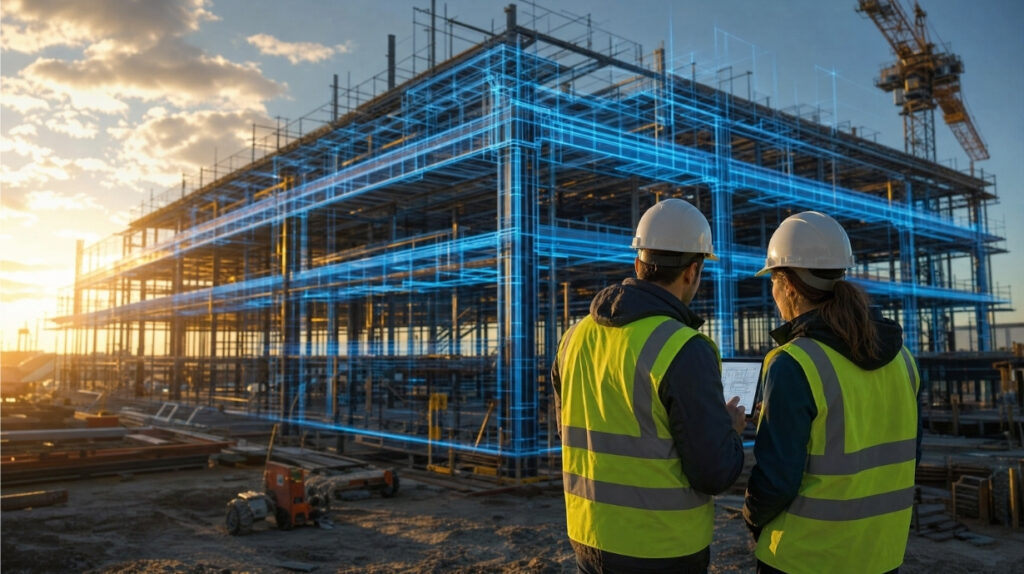
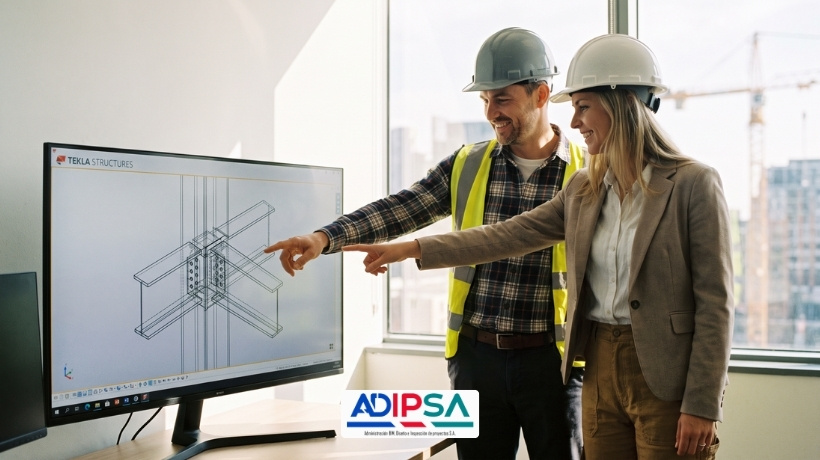
Industry-leading platforms like Tekla Structures allow detailers to build a complete virtual prototype of the steel frame before a single piece of metal is cut. Additionally, software like IDEA StatiCa is used to verify complex connections. This digital-first approach means that potential interferences or fit-up issues are identified and resolved on screen, long before they can affect the physical materials.
Collaboration Between Engineering and Fabrication
Preventing errors is not just about good software; it is about teamwork. The best results occur when there is an open line of communication between the original design team, the detailers, and the fabricators.
During the transition from structural engineering design to detailing, a thorough review of the design intent ensures that all load requirements and architectural features are properly translated. This collaborative environment ensures that everyone is working toward the same goal: a safe, successful build.
The Value of Proactive Clash Detection
Modern structures must integrate steel seamlessly with other building systems. A duct or pipe running through a steel beam’s path can cause significant delays if discovered during erection.
By utilizing 3D BIM coordination workflows, detailers can proactively run clash detection against architectural and MEP models. Spotting these spatial conflicts in the virtual model allows the team to find collaborative solutions early, resulting in truly fabrication-ready drawings that make on-site assembly a breeze.
Conclusion
Preventing steel fabrication errors is all about providing the right information, using the best technology, and fostering a collaborative team environment. With accurate shop drawings and a proactive approach to coordination, contractors and fabricators can enjoy a smoother, more predictable construction process.
Build with Confidence and Precision
We are here to support your next project with accurate documentation that keeps fabrication running smoothly. Reach out to our team to discuss how our collaborative approach can help you achieve seamless execution.
📞 Phone: +507 6150-7470
✉️ Email: [email protected]