
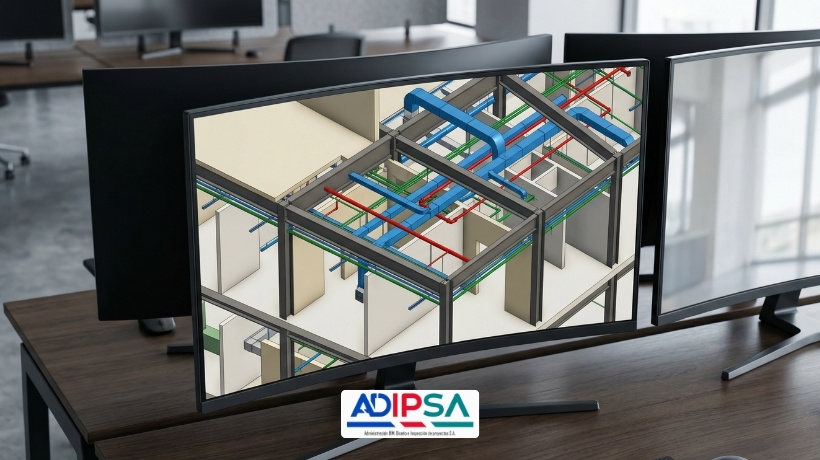
What is BIM coordination? In today’s increasingly complex construction environment, coordination between disciplines is no longer optional—it is critical. As buildings and infrastructure projects integrate more systems, tighter tolerances, and accelerated schedules, traditional coordination methods fall short. This is where BIM coordination plays a fundamental role.
Understanding what BIM coordination is and why it is essential helps project owners, designers, engineers, and contractors reduce risk, avoid costly errors, and deliver projects more efficiently.
In professional practice, this level of coordination is achieved through structured BIM-based coordination workflows, such as those applied in specialized BIM coordination services focused on preventing conflicts before construction begins.
What Is BIM Coordination? A Clear Definition
What is BIM coordination? It is the structured process of integrating and aligning digital building models created by different disciplines within a shared environment. Its primary goal is to ensure that all project components coexist without conflicts before construction begins.
Rather than reviewing drawings independently, BIM coordination brings together multidisciplinary models into a federated model that allows teams to analyze spatial relationships, detect conflicts, and resolve issues digitally. This proactive approach shifts problem-solving from the jobsite to the design and planning stages.
Why Coordination Matters in Construction Projects
Construction projects fail most often due to misalignment between disciplines. When architectural intent, structural systems, and building services are not properly coordinated, the result is rework, delays, cost overruns, and disputes.
Effective coordination ensures that:
- Structural elements align with architectural layouts
- Mechanical, electrical, and plumbing systems fit within available spaces
- Installation sequences are logical and buildable
- Design intent is preserved through construction
By addressing these challenges early, BIM-based coordination significantly reduces uncertainty during execution.
How BIM Transforms Traditional Coordination Methods
Traditional coordination relies heavily on 2D drawings, manual reviews, and fragmented communication. These methods make it difficult to visualize complex interactions between systems and often detect issues too late.
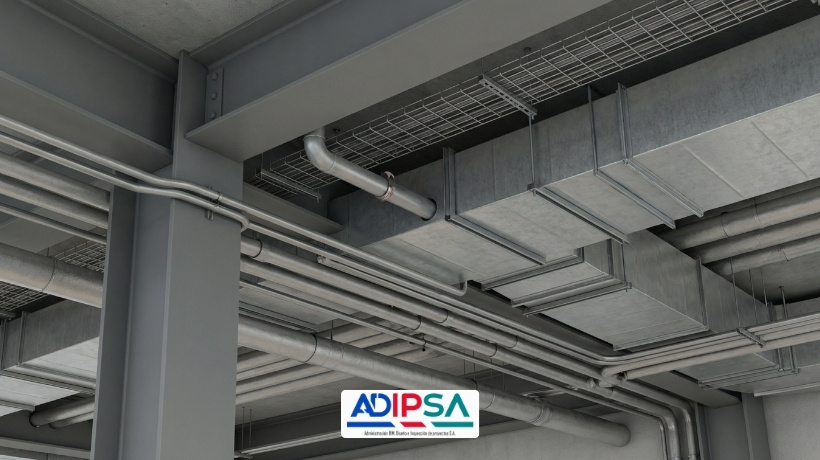
Example of a BIM-based clash view showing spatial coordination between structural and MEP systems.
BIM transforms coordination by enabling:
- 3D visualization of all systems simultaneously
- Model-based reviews instead of drawing comparisons
- Data-driven decision-making
- Real-time collaboration between disciplines
This digital workflow allows teams to anticipate conflicts, validate constructability, and align expectations before materials are fabricated or installed.
This article is part of a broader knowledge series on BIM coordination and BIM management, where technical workflows, coordination challenges, and best practices are explored in depth.
Key Stakeholders Involved in BIM-Based Coordination
BIM coordination is a collaborative effort that involves multiple project participants, each contributing specialized expertise.
Design Teams
Architects and engineers develop discipline-specific models that must align spatially and functionally. Coordination ensures design intent is preserved while maintaining constructability.
Contractors and Fabricators
Construction teams rely on coordinated models to plan sequencing, logistics, and installation. Accurate coordination reduces field adjustments and improves productivity.
Owners and Project Managers
From an owner’s perspective, coordinated models improve cost certainty, schedule reliability, and overall project transparency.
Risks of Poor Model Coordination
When coordination is not properly executed, projects are exposed to significant risks, including:
- Field clashes requiring demolition or redesign
- Increased RFIs and change orders
- Delays caused by rework and resequencing
- Budget overruns due to inefficiencies
- Strained relationships between stakeholders
These risks are amplified in large-scale, industrial, or high-complexity projects where system density and tolerances are minimal.
BIM Coordination as a Foundation for Project Success
Rather than being a standalone task, BIM coordination serves as a foundation for multiple project processes, including clash detection, constructability analysis, scheduling, and communication. It establishes a shared understanding of the project before construction begins.
Projects that prioritize coordination early consistently achieve:
- Better cost control
- Fewer construction conflicts
- Improved schedule predictability
- Higher overall quality
For this reason, BIM-based coordination has become a standard expectation in modern construction delivery.
To understand how timing influences coordination effectiveness, you may also find valuable insights in our article on when BIM coordination should start in a project.
Final Thoughts
Understanding what is BIM coordination provides clarity on how modern projects manage complexity and reduce construction risk. As construction continues to evolve toward integrated, data-driven workflows, coordination through BIM is no longer a differentiator; it is a necessity.
Organizations that adopt structured coordination workflows gain a competitive advantage by minimizing risk, improving collaboration, and delivering projects with greater confidence.
BIM coordination principles and collaborative modeling workflows are supported by international industry organizations focused on open standards and interoperability, such as buildingSMART International.